- This topic is empty.
-
AuthorPosts
-
27/11/2026 at 17:00 #83029
The honest answer about wood veneer wall panels for humid climates like Singapore is that they work — but only when moisture is engineered from the drawing stage, not managed after a callback. Wood moves; that is what it does. A panel system survives 80% relative humidity when three things are right: the building is zoned by moisture exposure, the core matches the zone, and every cut edge is sealed before the panel ever meets the wall. When any one of those is missing, the failure looks the same — swollen seams, telegraphed battens and edges lifting within two monsoon seasons.
This guide is written for developers, contractors and distributors specifying projects in Southeast Asia, coastal China and the Gulf — regions where our export volume is concentrated. FULLCOM ships moisture-resistant core panels as the default for these markets, and AIF Home Technology presses the same veneer onto every core option, so the recommendations below come from what actually arrives intact in Singapore, Johor and Sanya — and from the failures that taught us why.
1. Zone the Building First: Where Wood Panels Work and Where They Do Not
Three moisture zones decide everything: dry zones take standard panels, splash zones take moisture-resistant cores with sealed edges, and wet zones take tile — not wood. Draw this zoning onto the plan before choosing a single finish:
• Dry zones — bedrooms, living rooms, hallways and any air-conditioned interior. Standard MDF-core veneer panels are fine here even in the tropics, because air conditioning keeps the wood's equilibrium moisture content stable. This is where design freedom should be spent.
• Splash zones — bathroom walls outside the shower, vanity surrounds, kitchen backsplash areas, and any wall within a metre of a water source. Specify moisture-resistant (MR) MDF or plywood cores, factory-sealed edges, and detail the panel run to stop 100–150 mm above the floor so mopping water never wicks into the bottom edge.
• Wet zones — inside showers, behind bathtub fixtures, splashbacks within reach of the spray. Tile, stone or solid surface. No veneer panel system, however well sealed, should be asked to survive direct water in a space this humid.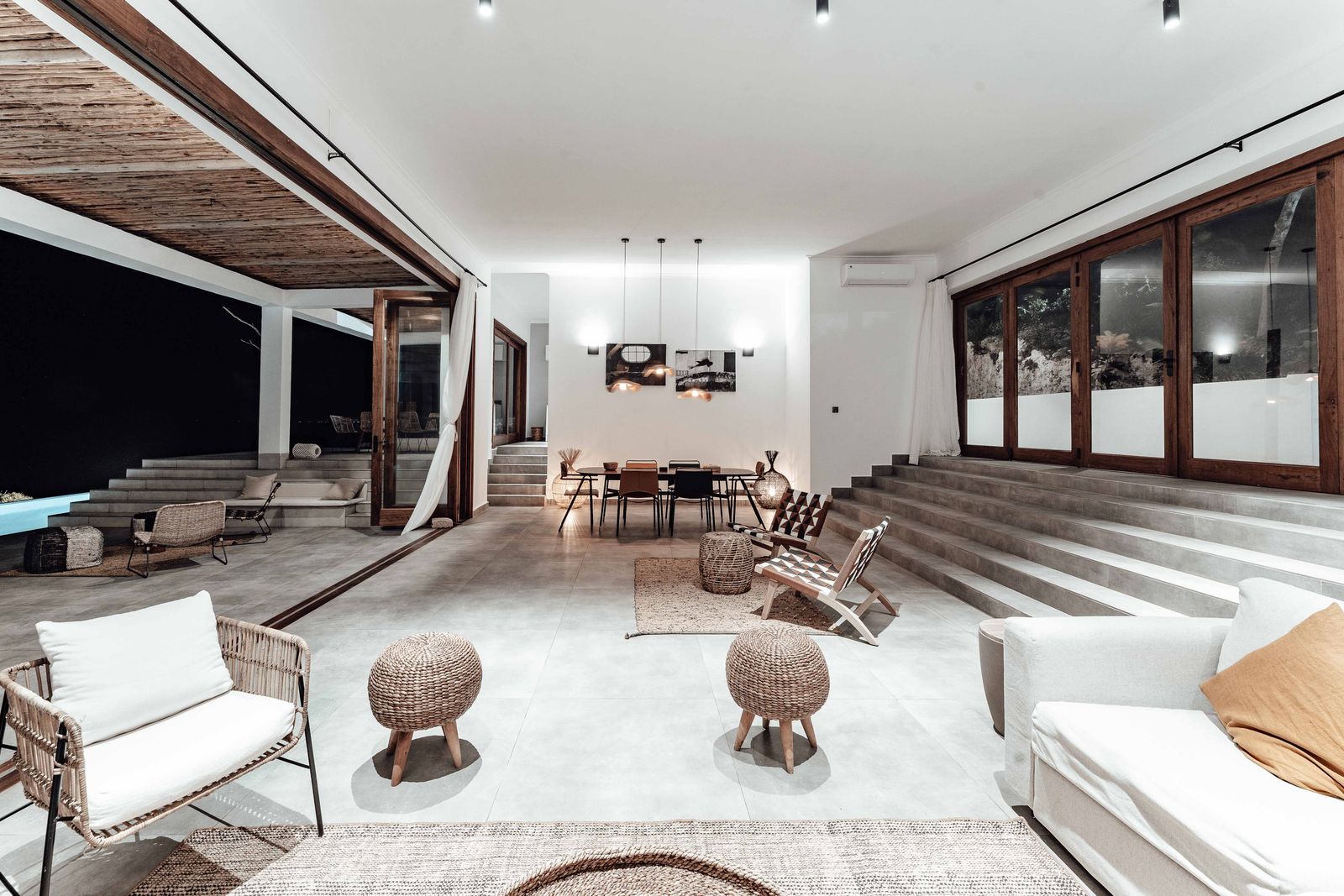
Two more tropical realities belong in the specification. First, acclimation: panels must rest in the finished, ventilated room for 48–72 hours before fixing, because a panel installed cold from a container will move as it equalises. Second, movement allowance: perimeter expansion gaps of 3–5 mm, covered by skirting or shadow-gap trims, and slotted fixing systems that let the panel breathe instead of screwing it rigid against its will.✅ Bottom line: Zone the building before choosing finishes — standard cores in air-conditioned dry zones, MR cores in splash zones, tile in wet zones, and acclimation plus expansion gaps in every zone.
2. Cores, Edge Sealing and the Warping Fix List
For buyers comparing wood veneer wall panels for humid climates like Singapore, the core decision usually comes down to three options. MR MDF is the workhorse: dense, flat, and dimensionally stable enough for most interiors once edges are sealed. Plywood tolerates humidity cycles best and weighs 30% less — the choice for ceilings and high-rise work. Bamboo charcoal board is the most moisture-tolerant of the three by nature and the lightest to handle, but only from a factory whose lamination line passes batch testing, because its quality spread is wider than the other two cores combined.
Buyers also frequently ask are wood veneer wall panels waterproof for bathroom walls, and the precise answer is: the panel is water-resistant, not waterproof — the system does the waterproofing. A factory UV topcoat protects the face; a sealed or edge-banded edge protects the six sides water actually attacks; correct zone placement keeps standing water out of the equation. A veneer panel with a beautiful face and an unsealed cut edge is a bubble waiting for the first wet season, because MDF wicks water through edges faster than through any surface.

When failures happen, they follow a pattern. When installers search for wood veneer wall panels warping in humid weather solutions, they usually land on the same three fixes: seal all six faces at the factory, not just the face you can see; acclimate the panels 48–72 hours in the finished, ventilated room before fixing; and fix with slotted clips or batten systems that allow movement instead of rigid screws at tight centres. Add one more for coastal handovers — run the air conditioning or dehumidification during the final weeks of fit-out, because a building that dries its plaster while the panels are already mounted will drag the panels through every moisture swing of the drying concrete behind them. Those four steps are the complete warping-prevention set FULLCOM issues to site teams in tropical markets.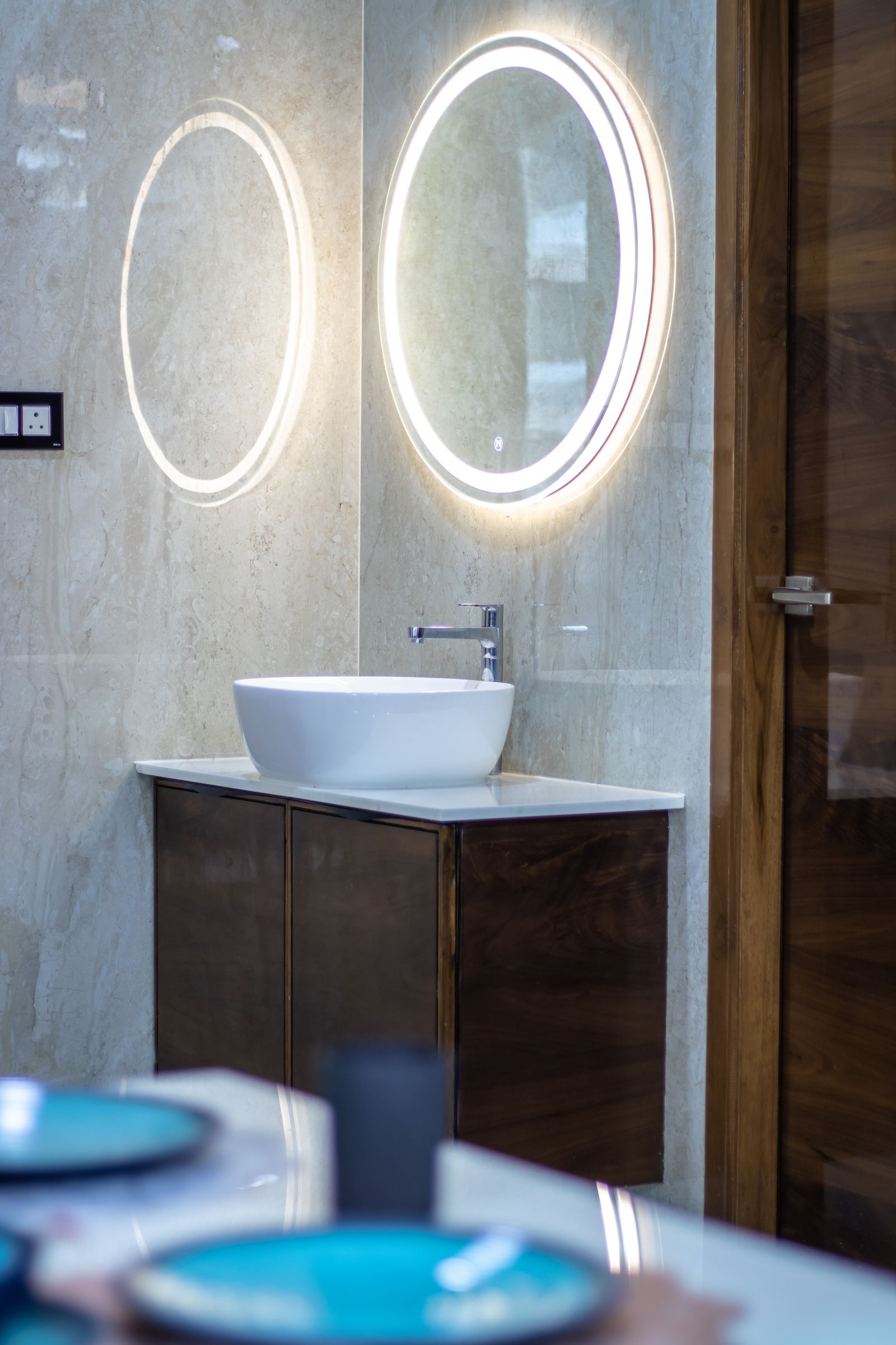
FULLCOM bundles these rules into its export specification for tropical markets: MR or plywood core as default, six-face sealing, UV topcoat, sealed cut-outs for sockets and downlights, and a batch edge-seal sample approved before bulk production. Distributors can hand the same sheet to their installers — it is the condensed version of our wood veneer wall panels warping in humid weather solutions, and most warranty disputes in humid markets trace back to a site step it already covers.✅ Bottom line: Panels are water-resistant, not waterproof — the sealed edge, the acclimation window and the movement allowance are what make wood veneer survive the tropics.
Frequently Asked Questions
Q: Can you install wood veneer wall panels for humid climates like Singapore without air conditioning?
A: It is possible, but the margin shrinks. Without climate control, every panel should move up one grade: MR core in all zones, plywood or bamboo charcoal anywhere near a wet area, six-face sealing as non-negotiable, and cross-ventilation designed into the room. For fully open-air tropical spaces, we recommend slatted or exterior-grade systems instead of sealed flat panels.Q: Are wood veneer wall panels waterproof for bathroom walls near a shower?
A: On the dry side of a glass screen or partition, yes with an MR core and sealed edges. Inside the shower enclosure or behind a bath spout, no — specify tile or solid surface there. The dividing line is direct water spray: wood panels handle humidity and condensation, not standing water.Q: What is the best core for a coastal project — MR MDF, plywood or bamboo charcoal board?
A: MR MDF for interior feature walls where flatness matters, plywood for ceilings and high-rise wind-pressure zones, bamboo charcoal board for lightweight retrofit and steel-stud systems — always with six-face sealing and a batch sample approved in writing. The "best" core is the one matched to the zone, the framing and the installer's method.Get a Humidity-Zone Specification for Your Project
Send your floor plans and climate context to FULLCOM (AIF Home Technology) and our engineering team will return a zone-by-zone core and edge-sealing schedule, a sample board with a sealed-edge cutaway you can show your installers, and OEM pricing for custom panel sizes — the review is free and covers Singapore, Malaysia, coastal China and Gulf specifications. Start through the FULLCOM contact page or browse the system on the wood veneer wall panel product page.
http://www.aifhome.com
AIF Home Technology -
AuthorPosts

- You must be logged in to reply to this topic.