- This topic is empty.
-
AuthorPosts
-
14/01/2026 at 18:19 #80824
As the global energy transition accelerates, lithium-ion batteries have become the backbone of electric vehicles, energy storage systems, and portable electronics. Behind this rapid growth lies an equally urgent challenge: how to recover critical metals efficiently, sustainably, and at scale. Once considered low-value waste, recycled battery black mass is now emerging as a strategic resource. In this blog post, Metash, as high quality analytical laboratory instrument manufacturing factory, will share the advantages of high performance microwave digestion systems in the efficient purification of valuable metals from batteries.
From Waste to Resource: The True Nature of Recycled Battery Black Mass
Recycled black mass for lithium-ion batteries is a fine black or dark gray powder obtained after systematic treatment of spent batteries. Typical processes include safe discharge, dismantling, thermal treatment, crushing, and physical separation. What remains is a concentrated mixture rich in nickel, cobalt, lithium, manganese, and other valuable elements.
Unlike primary ores, recycled black mass contains significantly higher metal grades. Its “urban mining” nature means that a relatively small volume can yield substantial quantities of strategic metals. With global demand for nickel, cobalt, and lithium continuing to rise, black mass has shifted from being an environmental burden to a critical secondary resource with enormous commercial value.
Policy and Standards Driving the Rise of Black Mass Utilization
The explosive growth of the new energy industry has intensified resource pressure worldwide. In China alone, annual lithium battery production has surpassed 1170 GWh, while dependence on imported key metals still exceeds 70%. Under these circumstances, recycled black mass plays a central role in strengthening resource security and reducing environmental impact.
A milestone was reached with the implementation of the national standard GB/T 45203-2024 Recycled Black Mass for Lithium-Ion Batteries, effective July 1, 2025. This standard officially defines black mass as a recycled raw material rather than waste. It clarifies product classifications, chemical composition ranges, impurity limits, technical requirements, and analytical methods. By establishing clear technical benchmarks, the standard enables compliant circulation and high-value utilization across the recycling industry.
However, stricter specifications also demand more precise, efficient, and controllable pretreatment and digestion technologies. Traditional thermal or acid leaching methods struggle to balance throughput, energy efficiency, and environmental compliance. This is where microwave-based solutions gain strategic importance.
Why Pretreatment Efficiency Determines Metal Recovery Value
Before downstream separation and refining, pretreatment determines how effectively metals can be released from the complex matrix of recycled black mass. Inefficient pretreatment leads to incomplete leaching, excessive reagent consumption, higher energy use, and unstable product quality.
Conventional heating relies on external heat transfer, which is slow and often uneven. Large temperature gradients can cause partial reactions, prolonged processing times, and higher acid dosages. For large-scale black mass recycling, these drawbacks translate directly into higher costs and environmental risks.
In contrast, microwave-assisted digestion fundamentally changes how energy interacts with materials, making it particularly suited to dense, metal-rich powders such as battery black mass.
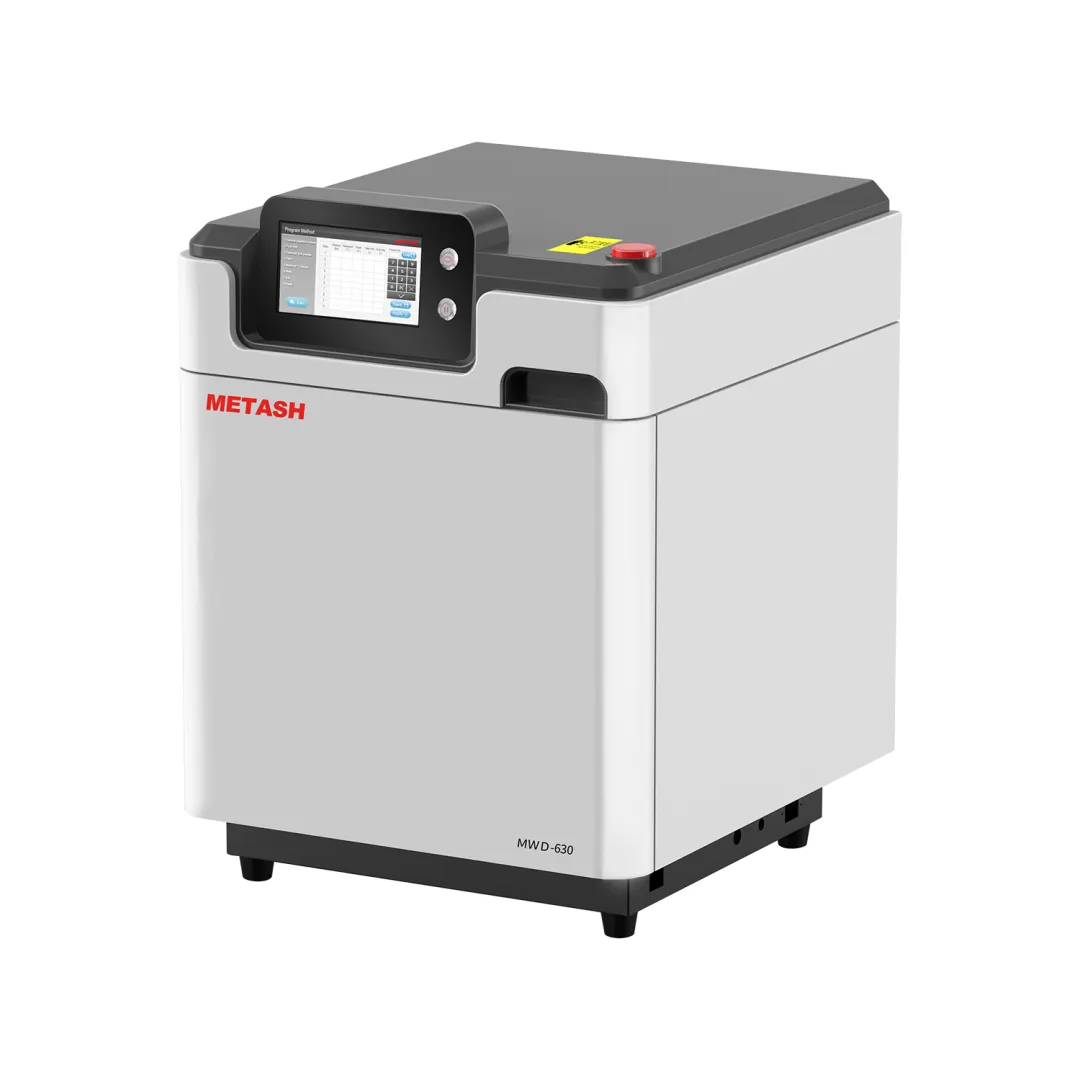
High Performance Microwave Digestion System in Battery Recycling
A high performance microwave digestion system applies electromagnetic energy directly to the reaction medium. Instead of heating vessel walls and relying on conduction, microwaves couple with polar molecules and conductive phases within the black mass itself. This volumetric heating mechanism enables rapid and uniform temperature rise throughout the sample.
For recycled lithium-ion battery black mass, this approach delivers several decisive advantages. Reaction times are shortened dramatically, acid consumption is reduced, and metal dissolution becomes more controllable. These characteristics align closely with both industrial scalability and emerging regulatory requirements.
Reaction Kinetics Benefits of Microwave-Assisted Digestion
One of the most significant advantages of microwave digestion lies in its exceptional reaction speed. Under microwave irradiation, energy is deposited directly into the reaction system, accelerating molecular motion and breaking down solid structures more efficiently.
Leaching processes that traditionally require several hours under conventional heating can often be completed within minutes or tens of minutes using microwave digestion. Faster kinetics not only increase throughput but also reduce prolonged exposure to aggressive chemical environments, helping preserve equipment integrity and process stability.
Energy Efficiency and Cost Reduction Through Microwave Heating
Energy efficiency is a critical metric in modern recycling operations. Microwave digestion systems minimize heat loss to the surroundings because energy is generated inside the reaction medium itself. As a result, overall energy consumption can be reduced by more than 50% compared with traditional heating methods.
Lower energy demand directly translates into reduced operating costs and a smaller carbon footprint. For recycling facilities processing large volumes of black mass, these savings accumulate rapidly, strengthening both economic and environmental performance.
Selective Metal Leaching Enabled by Microwave Control
Recycled black mass is chemically complex, containing multiple metals with different thermodynamic and kinetic behaviors. Selectivity is therefore essential to achieve high-purity downstream products.
Microwave digestion allows precise control over parameters such as power, temperature, pressure, and reaction time. By adjusting microwave absorbers and leaching conditions, operators can promote the dissolution of target metals while suppressing unwanted side reactions. This selectivity improves separation efficiency and reduces the burden on subsequent purification stages.
Supporting Green Chemistry in Black Mass Processing
Sustainability considerations increasingly shape technology choices in battery recycling. Microwave digestion aligns naturally with green chemistry principles. It is often combined with organic acids, amino acids, or deep eutectic solvents rather than strong inorganic acids or bases.
This combination significantly reduces hazardous reagent use and wastewater generation. Cleaner leaching systems simplify effluent treatment and help recycling plants comply with tightening environmental regulations, while still achieving high metal recovery rates.
Compact Design and Automation Potential for Industrial Scale
Beyond chemistry, equipment design plays a vital role in industrial adoption. Microwave digestion systems are typically compact, with integrated control units and modular reactor designs. This footprint advantage makes them easier to integrate into existing recycling lines.
Moreover, microwave systems are well suited to automation. Precise digital control enables repeatable processing conditions, real-time monitoring, and safer operation. These features are essential for continuous, high-throughput black mass treatment, supporting the transition from pilot-scale experiments to full industrial deployment.
Meeting Standardized Quality Requirements with Microwave Digestion
The GB/T 45203-2024 standard emphasizes consistent chemical composition and strict impurity control. Achieving these targets requires pretreatment methods that are not only efficient but also reproducible.
High performance microwave digestion systems offer superior process consistency due to uniform heating and controlled reaction environments. This consistency ensures that analytical results and recovered materials meet standardized specifications, facilitating smoother trade, certification, and downstream utilization.
Enabling the Shift from “Black Powder” to Strategic Asset
The evolution of recycled battery black mass reflects a broader transformation in resource management. What was once viewed as problematic waste is now recognized as a high-grade secondary resource critical to energy security and circular economy goals.
Microwave digestion technology acts as a key enabler in this shift. By improving efficiency, reducing environmental impact, and supporting standardized production, it helps unlock the full value potential of black mass.
Future Outlook for Microwave Digestion in Battery Recycling
As battery chemistries diversify and recycling volumes continue to rise, flexible and high-efficiency pretreatment technologies will become even more important. Microwave digestion systems are well positioned to adapt to new material compositions and stricter sustainability requirements.
With ongoing advances in reactor design, process control, and integration with hydrometallurgical workflows, microwave digestion is expected to move from a high-performance option to a core technology in large-scale battery recycling.
Conclusion
The journey from “black powder” to “hidden treasure” in lithium-ion battery recycling is defined by technology choices. A high performance microwave digestion system offers a powerful combination of speed, efficiency, selectivity, and sustainability. By aligning with national standards, green chemistry principles, and industrial scalability needs, it provides a robust technical foundation for extracting valuable metals from recycled black mass.
In the global race to secure critical resources and build a circular energy economy, microwave digestion is not merely an incremental improvement—it is a strategic tool reshaping the future of battery material recovery.
http://www.metashcorp.com
Metash -
AuthorPosts

- You must be logged in to reply to this topic.