- This topic is empty.
-
AuthorPosts
-
27/11/2026 at 11:43 #82997
For menswear brands, retailers, and wholesale distributors, developing a successful jacket collection requires more than selecting fashionable designs. Customers expect garments that offer a comfortable fit, durable construction, and consistent quality. At the same time, businesses must manage sourcing costs, production schedules, customization requirements, and inventory risks.
Working with the right tailored men's jackets manufacturer can help address these challenges. A capable supplier should understand garment construction, fabric performance, sizing standards, and the practical requirements of bulk apparel production. Evaluating these factors before placing an order can help buyers build a more competitive menswear collection.
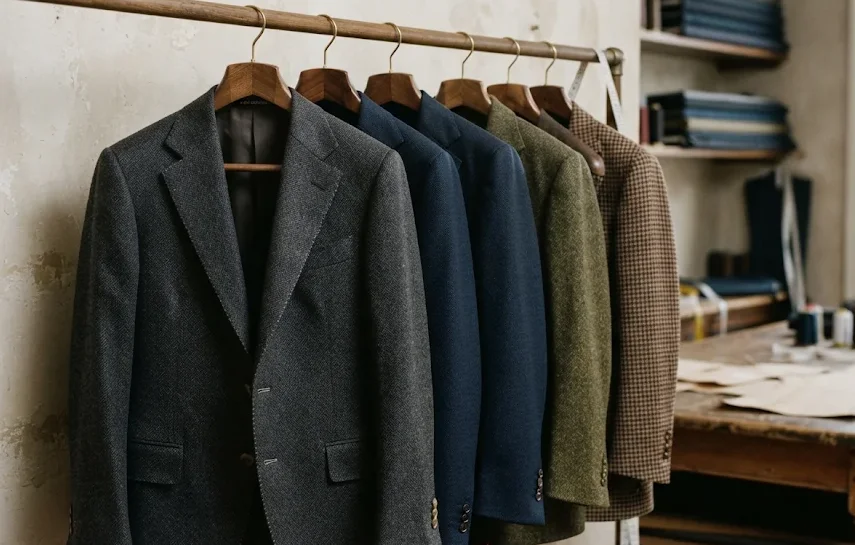
1. Accurate Sizing: Building Customer Confidence
Inconsistent sizing is a major concern for apparel businesses. Differences in shoulder width, chest measurements, sleeve length, and jacket proportions can make it difficult for customers to choose the correct size. For online retailers, these issues may lead to higher return rates and additional service costs.
Brands should establish clear sizing standards according to their target customers. Slim-fit jackets offer a closer silhouette for modern businesswear, while regular-fit designs provide more room and everyday comfort. Sport coats may require a different balance between structure and ease of movement, depending on their intended use.
A professional custom men's jacket manufacturer should be able to work with approved measurement charts, pattern development, and size grading. Reviewing samples before bulk production is essential for checking fit consistency across different sizes.
2. Fabric Performance: Matching Jackets to Target Markets
Fabric selection directly affects a jacket's appearance, comfort, durability, and retail positioning. A material that works well for formal businesswear may not be suitable for lightweight casual collections or warmer climates.
Wool and wool blends are commonly used in tailored jackets because of their texture, structure, and refined appearance. Cotton and selected blended fabrics can provide alternatives for more relaxed designs. Buyers should also consider fabric weight, breathability, wrinkle resistance, drape, and maintenance requirements.
Another important issue is batch consistency. Differences in color, texture, or finishing between production runs can affect the visual coordination of a clothing collection.
Working with an experienced men's blazer manufacturer helps buyers communicate fabric specifications more clearly and establish material standards for repeat orders.
3. Garment Construction: Looking Beyond Surface Appearance
A jacket may look attractive in a product photograph but still fail to meet customer expectations if its construction is poor. Uneven lapels, weak seams, poorly shaped shoulders, and loose buttons can reduce both appearance and durability.
Buyers should examine several construction details before approving a supplier. These include shoulder shaping, interlining, lapel structure, sleeve attachment, seam finishing, lining quality, and button security.
The construction method should also reflect the garment's intended purpose. A structured business blazer generally requires a different approach from an unstructured casual sport coat. Selecting the appropriate construction helps balance appearance, comfort, and production cost.
Before bulk manufacturing begins, brands should approve a reference sample and document the technical specifications. This reduces misunderstandings and makes quality expectations easier to communicate.
4. Customization: Developing a More Distinctive Product Range
For apparel businesses seeking to establish their own identity, standard wholesale products may not provide enough differentiation. Customization allows brands to adjust garment details according to their positioning and customer preferences.
Depending on the manufacturer's capabilities, customization may include fabric selection, jacket silhouettes, lapel styles, pocket designs, buttons, lining, labels, and packaging.
OEM cooperation is generally suitable for buyers who already have designs and technical specifications. ODM services may be more appropriate for businesses that need assistance developing styles and adapting existing designs.
When evaluating a private label men's jacket manufacturer, buyers should clarify available customization options, sample development procedures, minimum order quantities, and associated costs.
Senia offers men's blazer and sport coat products, together with OEM/ODM and apparel sourcing services. These options provide potential cooperation opportunities for brands looking to develop existing styles or create customized menswear collections.
5. Quality Control: Maintaining Consistency in Bulk Orders
One approved sample does not guarantee that every garment in a bulk shipment will meet the same standard. Differences in fabric cutting, stitching, measurements, labeling, and finishing can occur during production.
A reliable quality control process should cover multiple stages. Fabric inspection helps identify material defects before cutting. In-process inspections allow production issues to be corrected earlier, while final garment checks help verify measurements, appearance, construction, and packaging.
International buyers should also establish clear acceptance criteria before production. Measurement tolerances, labeling requirements, packaging specifications, and inspection procedures should be documented rather than left to informal communication.
For businesses working with a wholesale tailored men's jackets supplier, consistent quality is particularly important because it affects customer satisfaction, repeat purchases, and brand reputation.
6. Order Flexibility and Delivery: Managing Inventory More Effectively
Different businesses have different purchasing requirements. Established wholesalers may need regular bulk production, while emerging fashion brands often prefer to test new styles before committing to large quantities.
Buyers should distinguish between ready-stock products and customized manufacturing. These two purchasing models may involve different minimum order quantities, sample procedures, production schedules, and delivery arrangements.
Senia's product information includes in-stock purchasing options, sample-first cooperation, and own-label services. Buyers can discuss current availability, customization requirements, sample arrangements, and delivery schedules based on their specific projects.
Clarifying these details before ordering helps businesses plan inventory more effectively and avoid unexpected delays.
Conclusion
Selecting a reliable tailored men's jackets manufacturer involves balancing garment quality, fit consistency, fabric performance, customization capabilities, and supply flexibility. Each factor contributes to the overall value of a menswear collection and influences the purchasing experience of end customers.
With men's blazers and sport coats, as well as OEM/ODM and apparel sourcing services, Senia provides potential sourcing options for brands, wholesalers, and retailers. By defining product specifications and quality expectations early, buyers can establish a more efficient manufacturing partnership and develop menswear collections that better meet market demand.
https://www.senia.cc/how-to-choose-a-tailored-men-s-jackets-manufacturer-for-your-brand.html
http://www.senia.cc
Nantong Senia Apparel Co., Lt -
AuthorPosts

- You must be logged in to reply to this topic.