- This topic is empty.
-
AuthorPosts
-
08/10/2026 at 16:22 #82431
Automotive safety depends on hundreds of components working reliably under heat, vibration, moisture, electrical stress, and mechanical movement. While major safety systems often receive the most attention, the performance of smaller materials and components can also influence the reliability of the vehicle as a whole.
Seals, grommets, connectors, insulating parts, protective boots, and electronic component interfaces are exposed to demanding conditions throughout a vehicle. When these components are made from an appropriately formulated material, they can help protect electrical systems, maintain sealing performance, and reduce potential risks associated with heat and flame exposure.
Flame-retardant liquid silicone rubber is one material option used in selected automotive applications where fire performance needs to be combined with the characteristic flexibility, thermal stability, and environmental resistance of silicone rubber.
However, flame retardancy is not a substitute for complete automotive safety engineering. The material must be selected according to the specific application, electrical requirements, temperature conditions, mechanical stresses, and applicable automotive standards.
This article explores how flame-retardant liquid silicone rubber can support automotive safety and which factors manufacturers should consider when using it in vehicle components.
Why Are Materials Important to Automotive Safety?
A modern vehicle contains a complex network of electrical, electronic, mechanical, and thermal systems. Conventional internal-combustion vehicles already contain extensive wiring, sensors, control modules, batteries, motors, lighting systems, and fluid circuits.
Electric and hybrid vehicles introduce additional high-voltage electrical systems and battery assemblies, creating new material requirements.
Many of the components within these systems require elastomeric materials for:
-
Sealing
-
Electrical insulation
-
Vibration protection
-
Cable management
-
Environmental protection
-
Thermal management
-
Component isolation
-
Flexible connections
The material used in these parts needs to maintain its properties throughout the vehicle's expected operating conditions.
For some applications, protection against ignition or flame propagation is another important requirement. This is where flame-retardant silicone rubber can become part of the material selection process.
What Is Flame-Retardant Liquid Silicone Rubber?
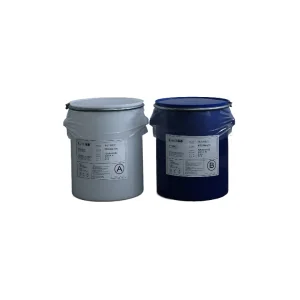
Flame-retardant liquid silicone rubber is a liquid silicone elastomer formulated to provide enhanced flame performance while retaining the processing characteristics and useful properties associated with liquid silicone rubber.
Liquid silicone rubber is typically supplied as a two-component system. The components are mixed and then injected into a mold, where the material cures into the required component shape.
Depending on the formulation, a flame-retardant liquid silicone rubber grade may provide a combination of:
-
Flame resistance
-
Thermal stability
-
Electrical insulation
-
Flexibility
-
Elastic recovery
-
Weather resistance
-
Moisture resistance
-
Aging resistance
-
Molding precision
The exact properties vary between formulations, so automotive manufacturers should not assume that every flame-retardant silicone material has the same performance.
The appropriate grade must be selected according to the component's actual operating environment and testing requirements.
1. Supporting Electrical System Protection
Electrical systems are fundamental to modern automotive operation. Wiring harnesses, connectors, sensors, electronic control units, charging systems, and power electronics all depend on reliable insulation and protection.
A silicone component may be used to seal an electrical connector, protect a cable entry point, or insulate a specific part of an electrical assembly.
If the material also needs enhanced flame resistance, a flame-retardant liquid silicone rubber formulation can provide an additional material characteristic alongside electrical insulation.
For example, a connector seal may need to prevent moisture from reaching conductive contacts. At the same time, it may need to remain flexible when the connector is assembled and disassembled or when the vehicle experiences vibration.
In such applications, the material needs to perform several functions simultaneously.
Flame resistance is therefore only one part of the design. Electrical insulation, sealing capability, mechanical durability, and temperature resistance should all be evaluated together.
2. Protecting Automotive Connectors
Automotive connectors are exposed to vibration, temperature fluctuations, humidity, dust, and sometimes automotive fluids.
A connector failure can potentially affect sensors, lighting, control systems, or other electrical functions. For this reason, sealing and insulation materials used around connectors need to maintain their properties during long-term operation.
Liquid silicone rubber can be molded into small and complex sealing components. Its flexibility allows seals to deform around mating surfaces while maintaining contact.
When a flame-retardant grade is required, the formulation can provide additional resistance to flame-related risks.
Potential applications include:
-
Connector seals
-
Terminal seals
-
Interface gaskets
-
Protective boots
-
Cable-entry seals
-
Electrical housing seals
The exact grade should be evaluated according to connector geometry, compression requirements, operating temperature, electrical properties, and relevant flame-testing requirements.
3. Improving Protection for Wiring Harnesses
Automotive wiring harnesses run through multiple areas of a vehicle, including locations exposed to vibration, heat, moisture, and mechanical movement.
Silicone-based grommets and seals can help protect cables where they pass through panels, housings, or other structures.
A properly designed grommet can help reduce:
-
Moisture entry
-
Dust contamination
-
Cable movement
-
Mechanical abrasion
-
Exposure to environmental conditions
Flame-retardant liquid silicone rubber may be considered when additional fire-performance characteristics are required.
Because wiring harnesses can move repeatedly during vehicle operation, flexibility is particularly important. A material that becomes excessively hard or brittle during thermal cycling may not provide the desired long-term performance.
The selected silicone grade should therefore be evaluated under conditions that reflect actual vehicle use.
4. Supporting Electric Vehicle Safety
The development of electric vehicles has increased the importance of electrical insulation and thermal management.
EVs contain high-voltage battery systems, power electronics, electric motors, charging equipment, and numerous electrical connections. These systems operate under different electrical and thermal conditions from many traditional vehicle systems.
Silicone rubber can be used in selected battery-related seals, insulating components, connectors, and protective interfaces.
Where fire performance is part of the design requirements, flame-retardant liquid silicone rubber may be considered for appropriate components.
However, EV battery safety involves much more than material flame resistance. Battery cell chemistry, module architecture, thermal management, electrical protection, enclosure design, monitoring systems, manufacturing quality, and crash protection all contribute to the overall safety of the battery system.
For this reason, flame-retardant silicone should be regarded as one element within a broader safety strategy.
5. Thermal Stability Around Heat-Generating Components
Automotive components frequently experience elevated temperatures.
Traditional engine compartments can expose materials to significant heat, while electric vehicles can generate heat through batteries, motors, inverters, chargers, and power electronics.
A material used in these environments needs to retain its required mechanical and electrical properties across the expected temperature range.
Silicone rubber is often considered for temperature-sensitive applications because of its thermal stability and ability to remain flexible over a relatively broad temperature range.
When flame resistance is also required, a suitable flame-retardant silicone formulation can combine these requirements in one material system.
Potential components include seals, insulating parts, protective covers, gaskets, and cable-related components.
Nevertheless, manufacturers should distinguish between continuous operating temperature and short-term temperature resistance. The material must be evaluated according to the actual thermal profile of the component.
6. Maintaining Sealing Performance
Sealing plays a significant role in automotive component reliability.
Moisture, dust, road contaminants, and fluids can enter electrical housings if seals lose their effectiveness. This can contribute to corrosion, electrical leakage, or component degradation.
A silicone gasket needs to maintain sufficient sealing force after exposure to temperature changes, compression, vibration, and aging.
Flame-retardant liquid silicone rubber can be useful when the same component needs both sealing performance and enhanced flame resistance.
Important properties to evaluate include:
-
Compression set
-
Elastic recovery
-
Tear strength
-
Tensile strength
-
Temperature resistance
-
Chemical compatibility
-
Aging behavior
A material should not be selected simply because it has a flame-retardant classification. If it cannot maintain sealing performance over the expected service life, it may not be appropriate for the application.
7. Supporting Sensor Reliability
Sensors are now used throughout vehicles to monitor temperature, pressure, position, speed, battery conditions, fluid levels, and numerous other parameters.
Many automotive sensors operate in environments where temperature, moisture, vibration, and chemical exposure are unavoidable.
Silicone materials can be molded into compact seals and protective components around sensor assemblies.
For example, a silicone seal may help isolate sensitive electronic components from moisture while allowing the sensor housing to maintain its required environmental protection.
Where flame resistance is required, flame-retardant liquid silicone rubber can provide an additional performance characteristic without necessarily sacrificing the flexibility associated with silicone elastomers.
Sensor applications can also require precise molding because small dimensional variations may affect assembly. Liquid silicone rubber's suitability for automated molding can therefore be valuable for high-volume automotive production.
8. Protecting Automotive Lighting Components
Modern vehicles use sophisticated lighting systems that contain LEDs, electronic controls, wiring, and connectors.
Lighting assemblies can generate heat and may be exposed to water, humidity, dust, vibration, and temperature cycling.
Silicone rubber can be used in seals and gaskets that help protect lighting components from environmental exposure.
A flame-retardant silicone material may be considered for applications where the component has defined fire-performance requirements.
For lighting systems, optical properties may also be important if the silicone component interacts directly with light. Therefore, manufacturers need to confirm that the selected formulation provides the required combination of flame resistance, thermal stability, transparency or opacity, and mechanical performance.
9. Supporting Battery and Power Electronics Components
Power electronics are essential to both conventional and electrified vehicles.
In electric vehicles, inverters and converters handle significant electrical loads and can generate considerable heat. These systems require reliable insulation and environmental protection.
A flame-retardant liquid silicone rubber compound may be used in selected insulating or sealing components around power electronics.
Material selection should consider:
Electrical Performance
The material must provide the required insulation characteristics under the system's voltage and operating conditions.
Thermal Performance
The material should maintain its properties throughout the expected temperature range.
Flame Performance
The material should meet the applicable fire-performance requirements for the specific component.
Mechanical Performance
Vibration and thermal expansion can place repeated stress on seals and insulating components.
Environmental Resistance
The component may encounter moisture, dust, oils, coolants, or other substances depending on its location.
Evaluating these characteristics together helps engineers select a material that is appropriate for the complete application rather than focusing on one specification.
10. Reducing Risks Associated With Flame Propagation
One of the main reasons manufacturers consider flame-retardant materials is to control material behavior when exposed to an ignition source.
In an automotive environment, potential ignition sources can include electrical faults, overheated components, or other abnormal conditions.
A flame-retardant silicone formulation may be designed to reduce flame propagation or improve self-extinguishing behavior under specified test conditions.
However, it is important to understand the limitations of material-level flame testing.
A laboratory test does not reproduce every possible vehicle fire scenario. The actual behavior of a component depends on its shape, thickness, surrounding materials, ventilation, ignition source, and system design.
Consequently, flame-retardant liquid silicone rubber should be considered part of a broader fire-safety approach.
11. Supporting Durability Under Vibration and Thermal Cycling
Automotive components experience continuous vibration.
A vehicle can encounter road impacts, engine vibration, motor vibration, acceleration, braking, and repeated temperature changes.
Rigid materials may not always accommodate this movement effectively. Flexible silicone components can help absorb or accommodate certain forms of mechanical movement.
For a flame-retardant silicone rubber component, engineers should evaluate:
-
Tensile strength
-
Elongation
-
Tear resistance
-
Compression set
-
Flexibility
-
Vibration resistance
-
Thermal cycling performance
Long-term reliability testing can help determine whether the material maintains its required properties after repeated mechanical and thermal stress.
12. Improving Environmental Protection
Automotive components may operate in harsh outdoor conditions.
Depending on their location, they may encounter:
-
Rain
-
Snow
-
Road salt
-
Mud
-
Dust
-
UV exposure
-
Humidity
-
Temperature fluctuations
-
Cleaning chemicals
-
Automotive fluids
Silicone rubber generally offers useful resistance to weathering and environmental aging, making it suitable for various protective applications.
When combined with flame-retardant performance, the material can address multiple environmental requirements within one component.
However, chemical compatibility must still be evaluated individually. Silicone materials are not universally resistant to every automotive fluid or chemical.
How Does Flame-Retardant Liquid Silicone Rubber Compare With Other Elastomers?
Automotive engineers have many elastomer options, including silicone, EPDM, fluorocarbon rubber, and other specialized materials.
Each material has different advantages and limitations.
Silicone is often considered when the application requires a combination of temperature resistance, flexibility, weather resistance, electrical insulation, and long-term stability.
Flame-retardant liquid silicone rubber adds another performance characteristic for applications where fire behavior is important.
However, material selection should always be application-specific.
For example, a component exposed to a particular fuel or aggressive chemical may require a specialized elastomer with stronger chemical resistance. Another application may prioritize low-temperature flexibility, mechanical abrasion resistance, or cost.
Therefore, flame-retardant silicone should be compared against alternative materials based on the complete technical specification rather than one property.
Conclusion
Automotive components increasingly need to withstand electrical stress, temperature fluctuations, vibration, moisture, and other demanding operating conditions while maintaining reliable performance over time. For applications where flame resistance is also required, flame-retardant liquid silicone rubber can provide a useful combination of fire performance, electrical insulation, flexibility, thermal stability, and environmental resistance.
The right material should always be selected according to the specific component rather than based on a single specification. Engineers need to consider flame requirements alongside dielectric properties, temperature range, mechanical strength, compression set, chemical compatibility, processing conditions, and long-term aging performance.
For automotive manufacturers developing electrical insulation, sealing, and protective components, MosenSil offers flame-retardant liquid silicone rubber options designed for different application and processing requirements. By matching material characteristics with the actual working conditions of each component, manufacturers can develop silicone solutions that support reliable performance throughout the vehicle's service life.
http://www.mosensil.com
mosensil -
-
AuthorPosts

- You must be logged in to reply to this topic.