- This topic is empty.
-
AuthorPosts
-
06/05/2026 at 09:16 #81191
When selecting propulsion components for aerial photography drones, operators consistently face a critical challenge: balancing payload capacity with flight stability while maintaining extended operation times. This becomes particularly acute when high-resolution cameras, gimbals, and stabilization equipment push medium-sized platforms toward their performance limits. The solution lies not in simply increasing motor power, but in optimizing the entire propulsion system architecture through advanced propeller design.
Understanding the Aerial Photography Propulsion Challenge
Aerial photography operations demand unique performance characteristics from UAV platforms. Unlike racing drones that prioritize speed or agricultural drones focused purely on payload capacity, aerial photography systems require a delicate equilibrium. The platform must provide exceptionally smooth flight to eliminate camera shake, deliver sufficient thrust reserves for wind resistance, and maintain extended flight durations to maximize coverage area per battery cycle.
Traditional two-blade propellers operating at high RPM often introduce vibration into the airframe, which translates directly to image quality degradation. Meanwhile, insufficient thrust margins force motors to operate near maximum capacity, generating excessive heat and reducing system reliability during critical missions. These pain points have driven professional operators toward three-blade propeller configurations that fundamentally alter the thrust delivery profile.
The Three-Blade Aerodynamic Advantage
Three-blade propeller designs offer a larger air interaction area per unit diameter compared to conventional two-blade configurations. This expanded surface engagement enables the propeller to generate equivalent thrust at lower rotational speeds, fundamentally changing the operational characteristics of the propulsion system. For aerial photography applications, this translates to three measurable advantages.
First, vibration reduction occurs because the more frequent blade passage creates smoother thrust pulses. Instead of two distinct pressure waves per rotation, three-blade systems generate three overlapping waves that produce more continuous thrust delivery. This directly reduces high-frequency vibrations that compromise camera stabilization systems.
Second, efficiency optimization emerges from the large-diameter, low-RPM operating principle. By moving greater air mass at reduced rotational speeds, the propeller converts electrical energy to thrust more efficiently. This reduces the energy consumption per unit of thrust generated, extending operational time without increasing battery capacity.
Third, acoustic signature reduction becomes significant as lower operating RPM produces less aerodynamic noise. For commercial aerial photography work in urban or sensitive environments, this noise reduction improves regulatory compliance and reduces disturbance to ground activities.
The 17X8X3 Configuration Specification
The 17X8X3 three-blade propeller represents a specific optimization point for 780mm wheelbase aerial photography platforms operating in the 10-12kg takeoff weight category. The designation breaks down as follows: 17-inch diameter (431.8mm), 8-inch pitch, and three-blade configuration.
This dimensional specification creates a thrust profile specifically matched to medium-sized professional aerial photography requirements. The 431.8mm diameter provides sufficient disc area to generate adequate thrust at moderate motor speeds, while the 8-inch pitch setting balances hovering efficiency with forward flight performance. The single propeller weight of 100.5g maintains reasonable rotational inertia without imposing excessive load on motor bearings.
The construction utilizes glass fiber nylon composite material, providing the structural rigidity necessary to maintain blade geometry under load while offering sufficient flexibility to absorb shock loads during landing. The 6mm center hole with adapter ring system enables compatibility with mainstream motor shaft configurations, particularly 5330-class motors operating in the 300-400KV range.
System Integration and Motor Pairing
Propeller performance cannot be evaluated in isolation—the entire propulsion system must be considered as an integrated unit. The 17X8X3 configuration achieves optimal performance when paired with 5330-level motors, creating a matched impedance between the propeller’s aerodynamic loading and the motor’s torque delivery characteristics.
This motor-propeller combination reduces system burden across multiple components. By operating motors at moderate RPM rather than peak speeds, thermal stress decreases substantially. Lower heat generation extends motor winding life and reduces the cooling demands on electronic speed controllers. The ESC similarly benefits from reduced current draw, as the efficient propeller loading allows the motor to deliver required thrust without approaching current limits.
For flight platforms with 780mm wheelbase dimensions, this propulsion configuration provides thrust margins appropriate for professional aerial photography missions. The 10-12kg takeoff weight capacity accommodates the aircraft frame, battery system, flight controller, and a meaningful camera payload while maintaining sufficient thrust reserve for wind compensation and dynamic maneuvering.
Operational Performance in Real-World Conditions
The practical advantages of the 17X8X3 configuration become apparent during actual aerial photography missions. During hovering operations—which constitute a significant portion of inspection and detailed photography work—the low-RPM efficiency translates directly to extended loiter time. Field operators report measurably longer flight durations compared to equivalent platforms using smaller diameter or two-blade propellers.
During forward flight, the 8-inch pitch provides sufficient bite to maintain cruise speeds without requiring excessive throttle input. This moderate pitch setting prevents the inefficiency that occurs when propellers are either overpitched (causing motor strain) or underpitched (causing excessive RPM without proportional thrust gain).
Wind resistance represents another critical performance dimension. The three-blade configuration’s inherent stability helps the flight controller maintain position with smaller control inputs. Rather than large throttle corrections that induce oscillation, the smoother thrust delivery enables more precise station-keeping in gusty conditions.
GEMFAN’s Industrial Application Heritage
Gemfan Hobby Co., Ltd. brings 15 years of propulsion system development experience to industrial-grade UAV applications. The company’s focus on aerodynamic structure optimization and material technology advancement has produced propeller solutions deployed across global markets spanning over 60 countries and regions including China, the USA, UAE, Europe, and Australia.
The company’s technical approach addresses the specific pain points encountered in inspection, mapping, and professional aerial photography applications. By combining precision dynamic balance control with advanced material application technologies, GEMFAN develops propulsion components that meet the demanding requirements of medium-to-large industrial-grade UAV platforms.
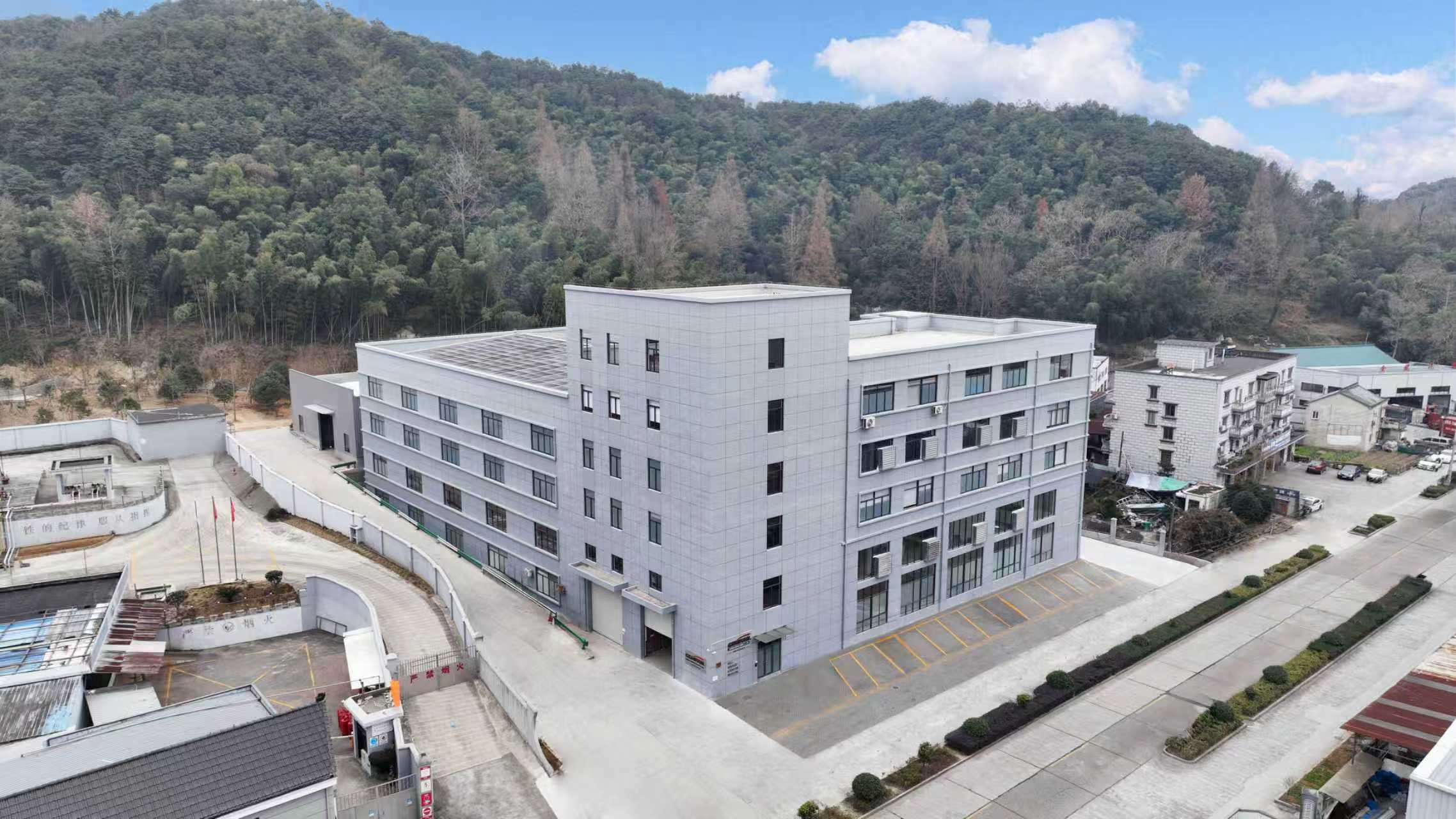
The large wheelbase three-blade propeller series, including the 17X8X3 configuration, represents the culmination of this focused development effort. These components provide the high-thrust, high-efficiency, and smooth-running characteristics essential for professional aerial photography operations.
Selection Criteria for Aerial Photography Platforms
When evaluating propulsion components for aerial photography drones, several specification parameters require careful consideration. Platform wheelbase determines the moment arm between motors and the center of gravity, which directly influences the control authority and stability. For 780mm wheelbase platforms, the 17X8X3 configuration provides appropriate thrust levels without creating excessive gyroscopic forces.
Takeoff weight calculation must account for all mission-specific equipment. A comprehensive aerial photography system includes not only the camera but also the gimbal, video transmission equipment, additional batteries for extended range, and any supplementary sensors. Ensuring the selected propeller configuration maintains adequate thrust margin across this weight range prevents underpowered situations that compromise safety and performance.
Motor compatibility represents the final critical parameter. The electrical and mechanical characteristics of the propeller must match the motor’s torque curve and bearing capacity. The 17X8X3 propeller’s design parameters align specifically with 5330-class motors, creating an optimized system rather than a mismatched combination that underperforms.
Conclusion: Optimized Propulsion for Professional Imaging
Professional aerial photography demands propulsion systems that prioritize stability, efficiency, and reliability over raw performance metrics. The 17X8X3 three-blade propeller configuration addresses these requirements through fundamental aerodynamic design principles: larger diameter for efficiency, three-blade configuration for smoothness, and optimized pitch for balanced performance. When properly integrated with matched motor systems on appropriately sized platforms, this propulsion solution delivers the operational characteristics that professional aerial photography missions require.
http://www.gemfanhobby.com
Gemfan Hobby Co.,Ltd -
AuthorPosts

- You must be logged in to reply to this topic.