- This topic is empty.
-
AuthorPosts
-
24/08/2026 at 15:26 #82060
Industrial gate valves are widely used across process industries where reliable shutoff, high flow capacity, and long-term service are essential. Unlike valves designed primarily for throttling or precise flow regulation, gate valves are generally selected to provide a full-open or full-closed flow path. When fully open, the gate is lifted out of the fluid passage, allowing the medium to move through the valve with relatively low flow resistance.
This operating characteristic makes industrial gate valves an important component in many large-scale fluid handling systems. They can be found in oil and gas facilities, chemical plants, power stations, water treatment facilities, marine systems, mining operations, and numerous other industrial applications.
However, not every gate valve is suitable for every industry. The required valve material, pressure rating, connection type, sealing design, temperature resistance, and actuator configuration can vary considerably depending on the operating environment. Understanding where gate valves are used and why they are selected is therefore important for engineers, plant operators, maintenance teams, and industrial valve buyers.
What Makes Gate Valves Suitable for Industrial Applications?
Before looking at specific industries, it is useful to understand the characteristics that make gate valves suitable for demanding industrial systems.
A typical gate valve uses a movable gate or wedge that travels vertically relative to the flow passage. When the valve is opened, the gate moves away from the flow path. When closed, it blocks the passage and isolates the downstream section of the pipeline.
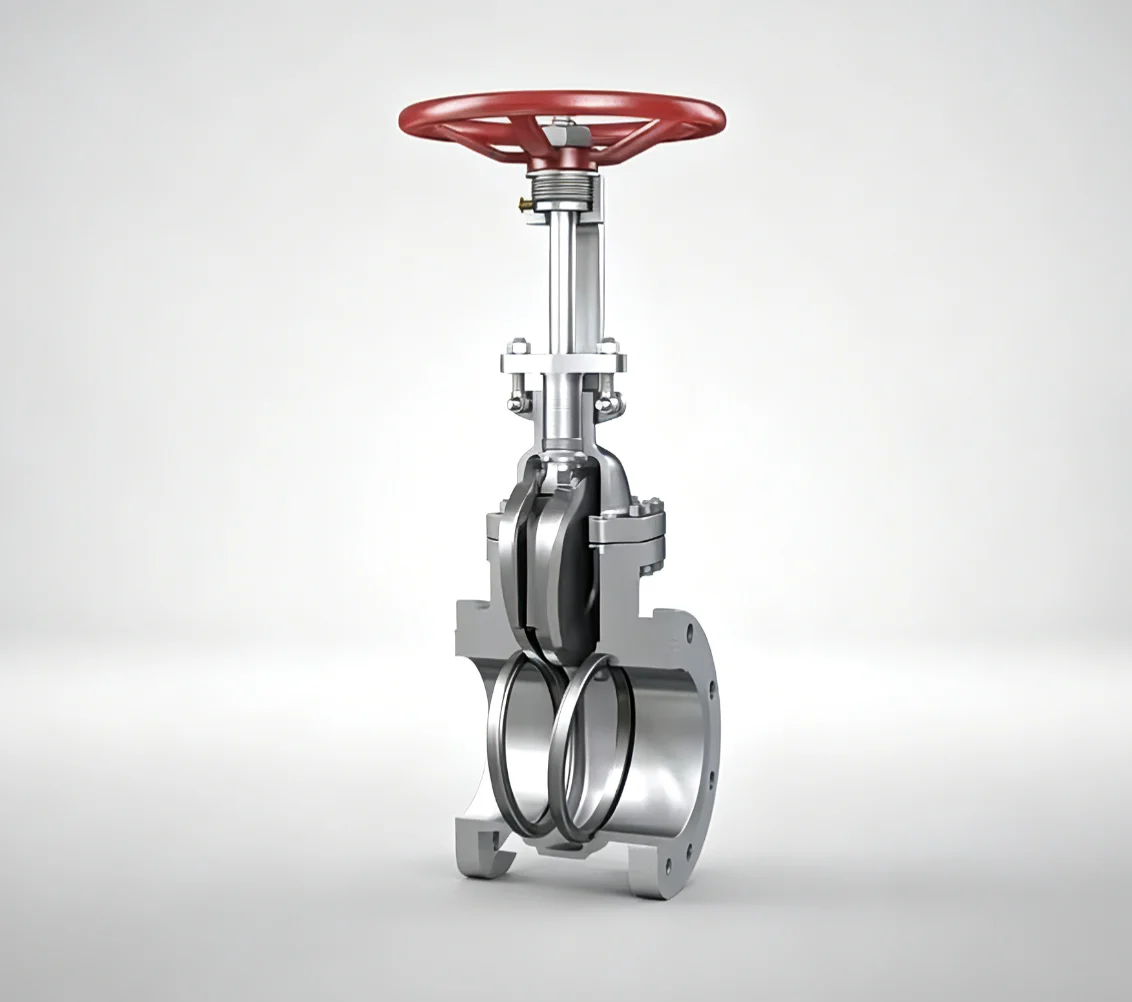
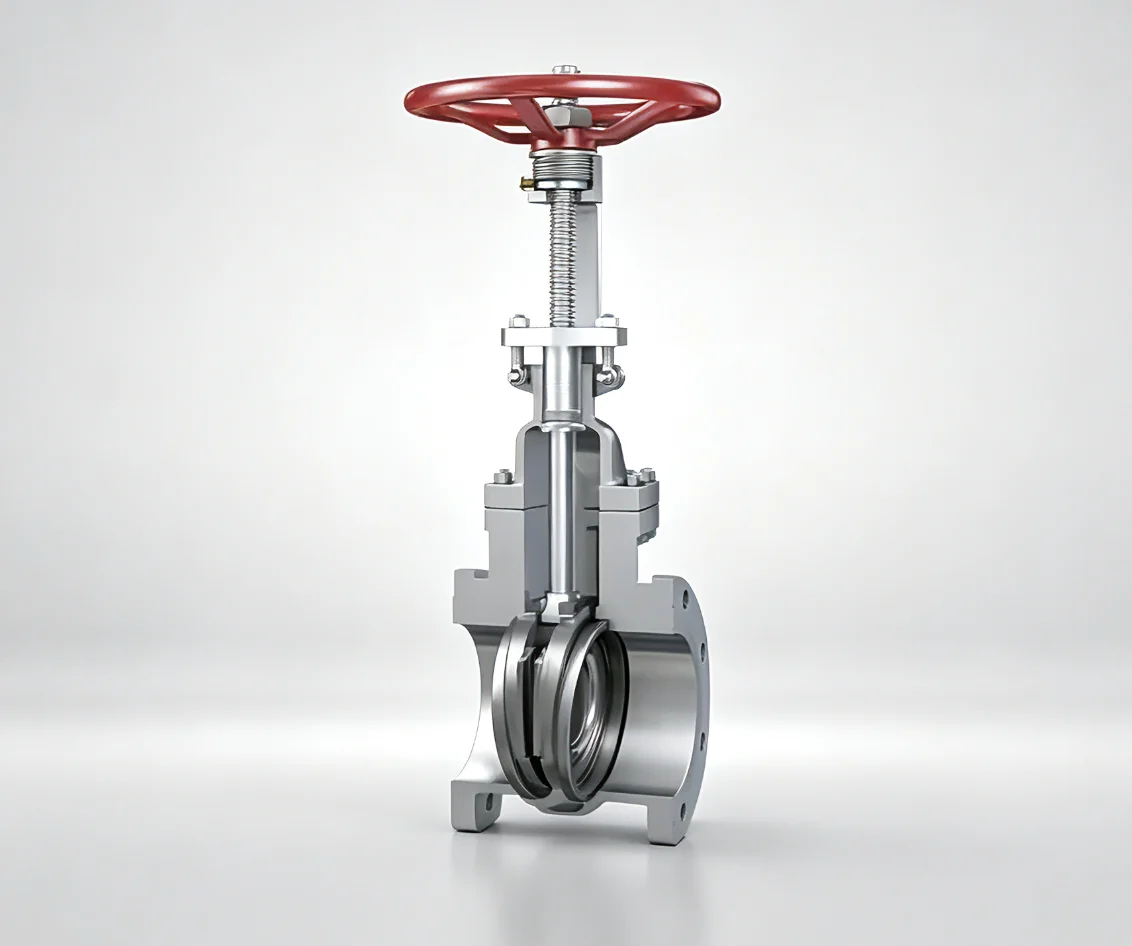
One of the major advantages of an industrial gate valve is its ability to provide a relatively unobstructed flow path when fully open. This can be particularly valuable in pipelines transporting large volumes of water, oil, gas, steam, or other process media.
Other common advantages include:
-
Low pressure drop when fully open
-
Reliable isolation of pipeline sections
-
Suitability for large pipeline sizes
-
Availability in a wide range of pressure ratings
-
Multiple body and trim material options
-
Manual and automated operating configurations
-
Compatibility with many industrial piping systems
-
Long service life when properly selected and maintained
Gate valves are not intended for continuous throttling service. Operating a gate valve under partially open conditions will cause severe erosion, vibration, and premature damage to gate and seat sealing surfaces. For applications requiring precise flow control, other valve types may be more appropriate.
Their primary strength is on-off isolation, which explains their widespread use throughout industrial infrastructure.
1. Oil and Gas Industry
The oil and gas industry is one of the largest application areas for industrial gate valves. Oil and gas facilities contain extensive networks of pipelines used to transport crude oil, natural gas, refined products, and process fluids.
Gate valves can be used at different stages of the energy supply chain, including upstream production, midstream transportation, storage, and downstream refining.
In oil and gas facilities, oil and gas gate valves are commonly installed to isolate equipment, pipelines, storage systems, and processing units. For example, a valve may be positioned upstream and downstream of a pump so that the pump can be isolated during maintenance.
Gate valves may also be used in:
-
Crude oil transportation pipelines
-
Natural gas processing facilities
-
Refineries
-
Petrochemical plants
-
Tank farms
-
Pipeline distribution systems
-
Offshore production facilities
-
Gas transmission infrastructure
The valve material and pressure class are particularly important in these environments. Depending on the application, buyers may require carbon steel, stainless steel, alloy steel, or other specialized materials.
For high-pressure applications, the high pressure gate valve must be selected according to the pipeline design pressure, temperature, fluid characteristics, applicable standards, and installation conditions.
2. Water Supply and Water Treatment
Water infrastructure is another major application for gate valves. Municipal water systems, industrial water networks, wastewater treatment plants, and water distribution facilities all require reliable methods of isolating pipeline sections.
In water applications, water gate valves are often installed in large-diameter pipelines because they can provide a full flow passage when open while allowing operators to shut off specific sections when necessary.
For example, a water treatment plant may use gate valves to isolate:
-
Raw water intake pipelines
-
Filtration equipment
-
Pump systems
-
Chemical dosing systems
-
Treated water pipelines
-
Storage tanks
-
Distribution networks
Gate valves are particularly useful when maintenance is required. Instead of shutting down an entire facility, operators can close selected valves and isolate a specific section of the system.
For potable water applications, valve materials and coatings must also be compatible with applicable drinking-water requirements. Meanwhile, wastewater applications may require materials and sealing systems capable of handling corrosive or contaminated media.
3. Chemical Processing Industry
Chemical plants handle a wide variety of aggressive, hazardous, high-temperature, or high-pressure fluids. Because of this, valve selection in chemical processing requires careful consideration of corrosion resistance and material compatibility.
Industrial gate valves for chemical processing may be used for pipeline isolation where the medium is normally transported continuously and does not require precise throttling.
Depending on the chemical being handled, manufacturers may offer stainless steel gate valves or valves constructed from specialized alloys. The choice of body, gate, stem, seat, and sealing materials should be based on the chemical composition, concentration, temperature, pressure, and other operating conditions.
Applications can include:
-
Chemical transfer lines
-
Process piping
-
Storage systems
-
Solvent handling systems
-
Chemical production units
-
Utility pipelines
-
Cooling and heating systems
For corrosive environments, a stainless steel gate valve may offer advantages over conventional carbon steel designs. However, stainless steel should not automatically be considered suitable for every chemical. Material compatibility still needs to be evaluated for the specific process medium.
4. Power Generation
Power plants contain extensive networks for water, steam, fuel, cooling fluids, and other process media. Reliable isolation valves are essential because maintenance work often requires individual sections of the system to be separated without disrupting the entire facility.
Gate valves are commonly found in conventional thermal power plants, combined-cycle facilities, industrial power plants, and other energy-generation installations.
Typical applications include:
-
Feedwater systems
-
Cooling water pipelines
-
Boiler systems
-
Steam pipelines
-
Fuel systems
-
Drainage systems
-
Auxiliary water systems
High-temperature steam applications can impose demanding requirements on valve construction. A high temperature gate valve may require specialized materials, appropriate packing systems, and suitable sealing arrangements to withstand elevated operating temperatures.
Power plants may also require valves with specific pressure classes and industry certifications. Therefore, purchasing decisions should consider more than valve size alone.
5. Petrochemical Industry
Petrochemical facilities process hydrocarbons and chemical feedstocks into products such as polymers, solvents, synthetic materials, and industrial chemicals.
Because petrochemical plants operate continuously and often involve high temperatures and pressures, reliable pipeline isolation is essential.
Gate valves can be installed throughout the facility to isolate:
-
Feedstock lines
-
Process equipment
-
Storage systems
-
Product pipelines
-
Utility systems
-
Heat-transfer systems
-
Hydrocarbon processing units
A petrochemical gate valve may need to meet strict requirements regarding pressure containment, fugitive emissions, fire safety, corrosion resistance, and sealing performance.
The specific valve design depends on the process. For example, a standard resilient-seated valve may be appropriate for certain utility systems, while a metal-seated or specialized industrial design may be required for more severe operating conditions.
6. Marine and Offshore Applications
Marine systems present a different set of challenges because equipment can be exposed to saltwater, humidity, vibration, limited installation space, and changing environmental conditions.
Gate valves can be used in shipboard piping systems and offshore facilities for applications involving seawater, ballast water, freshwater, fuel, cooling water, and other fluids.
Typical applications include:
-
Ballast systems
-
Bilge systems
-
Cooling water systems
-
Firefighting systems
-
Fuel systems
-
Seawater pipelines
-
Offshore processing systems
For marine applications, material selection is particularly important. Marine gate valves may require corrosion-resistant materials, protective coatings, specialized sealing components, or construction designed for vibration and harsh environmental conditions.
Offshore oil and gas platforms can also combine marine requirements with high-pressure process applications, making valve selection even more demanding.
7. Mining and Mineral Processing
Mining operations use extensive piping systems to transport water, slurry, chemicals, and other process materials. Some of these media can contain abrasive particles that accelerate component wear.
Gate valves may be used for isolation in mining water systems, slurry processing, mineral separation facilities, and other industrial infrastructure.
However, standard wedge gate valves are generally unsuitable for highly abrasive slurry services. Knife gate valves, a dedicated variant, are commonly specified for slurry isolation in mining.
Depending on the application, specialized materials, hardened components, or alternative valve designs may be necessary.
Gate valves are particularly useful where a pipeline needs to be isolated for equipment maintenance or system shutdown.
8. Pharmaceutical Manufacturing
Pharmaceutical production requires highly controlled process environments. Piping systems may handle purified water, process fluids, cleaning solutions, and other materials.
While hygienic valve designs are often preferred for critical pharmaceutical process lines, gate valves are limited to non process utility services with no exposure to purified media, such as general cooling water and plant drain systems.
For example, they may be used for:
-
Utility water systems
-
Cooling water
-
Heating systems
-
General plant services
-
Non-critical process isolation
For pharmaceutical facilities, valve surface finish, cleanability, material compatibility, and applicable sanitary requirements can be important factors.
The key consideration is that the valve should be matched to the specific service rather than selected solely because it is a gate valve.
9. Food and Beverage Processing
Food and beverage plants also use extensive piping systems for water, steam, cleaning fluids, and process utilities.
In these facilities, valves may be required for isolation of tanks, pipelines, pumps, and utility systems.
Depending on where the valve is installed, a conventional industrial gate valve may be suitable for utility applications, while sanitary valve designs may be preferred for direct product-contact applications.
For food processing facilities, engineers should distinguish between:
Process-contact applications — where hygiene, cleanability, and sanitary design are critical.
Utility applications — such as cooling water, heating systems, or general plant services, where conventional industrial valves may be acceptable.
This distinction helps prevent inappropriate valve selection.
Conclusion
Industrial gate valves are used across a remarkably broad range of industries because they provide dependable isolation for fluid handling systems. From oil and gas pipelines to municipal water networks, chemical plants, power stations, marine systems, mining facilities, and industrial utilities, gate valves continue to play an important role in controlling and isolating process pipelines.
However, the ideal gate valve differs from one application to another. A stainless steel gate valve may be appropriate for a corrosive environment, while a high-pressure carbon steel design may be more suitable for certain energy applications. Water treatment systems, marine installations, chemical plants, and mining operations can all require different combinations of materials, sealing systems, pressure ratings, and construction features.
For this reason, selecting industrial gate valves should begin with a clear understanding of the operating medium and system conditions. By considering pressure, temperature, material compatibility, valve size, connection type, operating frequency, and industry standards, buyers can choose a gate valve that delivers dependable performance throughout its expected service life.
Whether the requirement is for a standard pipeline isolation valve, a high-pressure industrial gate valve, a stainless steel gate valve, or a customized solution for a demanding process environment, proper specification is the foundation of reliable valve performance.
http://www.ainoxvalves.com
ainoxvalves -
-
AuthorPosts

- You must be logged in to reply to this topic.