- This topic is empty.
-
AuthorPosts
-
15/06/2026 at 14:46 #81502
Introduction
The electronic speed controller for drones (ESC) is one of the most important components in any unmanned aerial vehicle (UAV). It acts as the communication bridge between the flight controller and the brushless motors, translating throttle signals into precise motor speed adjustments. Without a reliable ESC, even the most advanced drone cannot achieve stable and efficient flight.
However, many drone owners focus primarily on batteries, motors, and propellers while neglecting ESC maintenance. In reality, ESC failures are among the leading causes of unexpected crashes, unstable flight performance, and expensive repairs. Factors such as overheating, dust accumulation, moisture exposure, voltage spikes, and poor wiring can all shorten the service life of an ESC.
Fortunately, with proper maintenance and regular inspection, an electronic speed controller can operate reliably for years. This article explains the best maintenance practices that help maximize ESC lifespan while improving drone safety and overall performance.
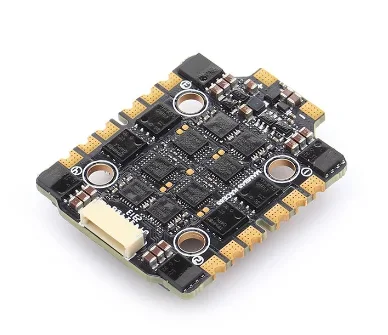
Understanding the Role of an ESC
An electronic speed controller regulates the amount of electrical power delivered from the battery to each brushless motor. It continuously receives throttle commands from the flight controller and converts them into high-frequency switching signals that control motor speed.
Modern drone ESCs also provide additional features such as:
-
Active braking
-
Bidirectional DShot communication
-
Current monitoring
-
Temperature monitoring
-
Telemetry feedback
-
Motor timing adjustment
Because ESCs operate under high current loads and rapid switching frequencies, they naturally generate heat and experience electrical stress during every flight.
Proper maintenance minimizes these stresses and significantly extends component longevity.
Keep the ESC Clean
One of the easiest yet most effective maintenance methods is keeping the ESC clean.
Dust, sand, grass particles, mud, and insects can accumulate inside the drone frame and around the ESC after repeated flights. This debris restricts airflow and traps heat around sensitive electronic components.
In humid environments, dirt can also absorb moisture and create conductive paths that may cause short circuits.
After flying, inspect the ESC carefully and remove dirt using:
-
Compressed air
-
A soft anti-static brush
-
Electronic cleaning spray
-
A microfiber cloth
Avoid using excessive force or sharp objects that could damage surface-mounted components.
Regular cleaning is especially important for agricultural drones, industrial drones, and FPV racing drones that operate in harsh environments.
Prevent Overheating
Heat is one of the biggest enemies of electronic speed controllers.
Every ESC contains MOSFETs that switch electrical current thousands of times per second. During high-power flights, these components can become extremely hot.
Excessive heat gradually damages:
-
MOSFET transistors
-
Capacitors
-
PCB traces
-
Solder joints
-
Voltage regulators
To prevent overheating:
-
Ensure sufficient airflow around the ESC.
-
Avoid covering cooling areas with wires or accessories.
-
Use properly sized ESCs for motor current demands.
-
Avoid continuous full-throttle operation.
-
Take cooling breaks during long flights.
If the ESC regularly becomes too hot to touch after landing, the system may be overloaded and should be inspected immediately.
Select the Correct ESC Rating
Many ESC failures occur because users install controllers that are too small for their motors.
Each ESC has a continuous current rating and a burst current rating. The ESC should always provide sufficient capacity above the motor's maximum current draw.
For example:
-
Motor maximum current: 35A
-
Recommended ESC: 45A or 50A
Using a larger ESC provides additional safety margin and reduces thermal stress.
Undersized ESCs frequently overheat and may fail unexpectedly during aggressive maneuvers.
Inspect Wiring Connections Regularly
Loose wiring is a common source of ESC damage.
Drone vibrations gradually loosen solder joints and connectors over time. High-current connections with poor contact resistance generate excessive heat and may burn the ESC.
Inspect:
-
Battery connectors
-
Motor wires
-
Signal wires
-
Power distribution board connections
-
Capacitor solder joints
Look for:
-
Burn marks
-
Melted insulation
-
Loose connectors
-
Cracked solder joints
-
Corrosion
Repair damaged wiring immediately before flying again.
Check for Moisture Damage
Water is extremely dangerous for ESC electronics.
Even if the ESC survives direct water exposure, moisture can slowly corrode internal circuits and eventually cause electrical failure.
After flying in:
-
Rain
-
Snow
-
Fog
-
High humidity
-
Wet grass
-
Coastal environments
Inspect the ESC carefully.
If moisture is detected:
-
Disconnect the battery immediately.
-
Dry the drone completely.
-
Use compressed air to remove trapped water.
-
Allow the ESC to dry naturally for several hours before powering on.
Never connect power to a wet ESC.
Protect the ESC from Dirt and Mud
Many outdoor drone operations involve flying near soil, sand, or vegetation.
Mud can cover the ESC and block cooling airflow while introducing moisture into the electronics.
For drones operating in dirty environments:
-
Install protective covers
-
Use conformal-coated ESCs
-
Keep internal wiring organized
-
Clean immediately after flight
Proper protection reduces long-term corrosion and contamination.
Monitor ESC Temperature
Many modern ESCs support telemetry and real-time temperature monitoring.
Checking ESC temperature helps detect problems before failure occurs.
Abnormally high temperatures may indicate:
-
Motor overload
-
Propeller damage
-
Bearing friction
-
Poor cooling
-
Excessive payload
-
Incorrect ESC timing
Maintaining operating temperatures within manufacturer recommendations greatly extends ESC lifespan.
Update ESC Firmware
Modern ESC firmware receives periodic improvements that optimize performance and reliability.
Firmware updates often include:
-
Better motor synchronization
-
Improved startup behavior
-
Reduced desynchronization
-
Enhanced braking algorithms
-
Better temperature management
-
Bug fixes
Popular firmware platforms include:
-
BLHeli_S
-
BLHeli_32
-
AM32
Always use official firmware versions and carefully follow update procedures to avoid corruption.
Avoid Voltage Spikes
High-voltage spikes generated during rapid throttle changes can damage ESC components.
Large drones and high-power motors generate significant electrical noise that stresses MOSFETs and capacitors.
Installing low-ESR capacitors near the ESC power input helps absorb voltage spikes and improves system stability.
Many professional drone builders consider capacitors essential for long-term ESC reliability.
Use High-Quality Batteries
Poor-quality batteries create unstable voltage output that increases ESC stress.
Old or damaged LiPo batteries may experience:
-
Voltage sag
-
Cell imbalance
-
Internal resistance increase
-
Excessive ripple current
These conditions force the ESC to work harder and generate additional heat.
Always use:
-
Balanced batteries
-
Properly charged batteries
-
High-discharge-rate batteries
-
Batteries in good condition
Replace aging battery packs before they begin affecting ESC performance.
Reduce Vibration
Continuous vibration weakens solder joints and electronic components over time.
Sources of vibration include:
-
Bent motor shafts
-
Damaged propellers
-
Loose motors
-
Poor frame alignment
-
Unbalanced propellers
High-frequency vibration may eventually crack solder joints or PCB traces inside the ESC.
Balance propellers regularly and replace damaged components promptly.
Organize Internal Wiring
Messy wiring restricts airflow and increases heat buildup inside the drone frame.
Proper cable management improves cooling while reducing electromagnetic interference.
Use:
-
Cable ties
-
Heat-resistant sleeves
-
Wire clips
-
Protective tubing
Keep battery wires short and motor wires securely fastened to minimize vibration.
Avoid Overloading the Drone
Adding excessive payload increases motor current draw, forcing the ESC to work beyond its intended operating range.
Heavy cameras, sensors, spraying systems, or delivery equipment should always match the drone's design specifications.
Overloaded drones commonly experience:
-
ESC overheating
-
Reduced efficiency
-
Shortened flight time
-
Premature ESC failure
Keeping payload within recommended limits significantly improves reliability.
Perform Routine Pre-Flight Inspections
A quick inspection before every flight can identify potential ESC issues early.
Check for:
-
Loose wires
-
Burn marks
-
Swollen capacitors
-
Broken insulation
-
Moisture
-
Dirt accumulation
-
Unusual smells
Power on the drone and verify that all motors start smoothly without hesitation or abnormal sounds.
Early detection prevents expensive repairs and dangerous in-flight failures.
Conduct Periodic Deep Maintenance
Professional drone operators should schedule comprehensive maintenance every 50–100 flight hours.
This inspection should include:
-
ESC cleaning
-
Wiring inspection
-
Firmware updates
-
Capacitor examination
-
Temperature testing
-
Solder joint inspection
-
Motor synchronization check
-
Battery connector replacement if necessary
Regular preventive maintenance is much more cost-effective than replacing damaged electronic components.
Signs That an ESC May Be Failing
Recognizing early warning signs allows replacement before catastrophic failure occurs.
Common symptoms include:
-
Motor stuttering
-
Random motor shutdown
-
Excessive heat
-
Burnt smell
-
Intermittent power loss
-
Flight instability
-
Desynchronization
-
Failure to arm
-
Visible smoke or discoloration
If any of these symptoms appear, stop flying immediately and inspect the ESC thoroughly.
Conclusion
The electronic speed controller is the heart of a drone's power management system, directly affecting flight stability, efficiency, and safety. Although ESCs are designed to withstand demanding operating conditions, neglecting routine maintenance can significantly shorten their lifespan and increase the risk of costly failures.
Simple practices such as keeping the ESC clean, preventing overheating, checking wiring connections, updating firmware, monitoring temperature, reducing vibration, and using high-quality batteries can dramatically improve reliability and extend service life.
Whether you operate FPV racing drones, aerial photography platforms, industrial UAVs, or agricultural drones, investing a little time in ESC maintenance will help ensure smoother flights, lower maintenance costs, and longer-lasting electronic speed controllers for years to come.
http://www.pega-fly.com
pega-fly -
-
AuthorPosts

- You must be logged in to reply to this topic.