- This topic is empty.
-
AuthorPosts
-
06/05/2026 at 09:51 #81192
Welding remains a cornerstone process in industries ranging from construction and shipbuilding to automotive manufacturing and heavy equipment production. However, it also ranks among the most dangerous tasks due to constant exposure to extreme heat, flying sparks, molten metal, and intense radiant energy. In this high-risk environment, reliable protective materials are essential—and fiberglass cloth has emerged as one of the most effective solutions.
This article takes a closer look at why fiberglass cloth is widely used in welding safety, what makes it suitable for high-temperature environments, and how companies like Changshu Jiangnan Fiberglass Co., Ltd. contribute to advancing protective technologies.
Welding Risks: A Closer Look
Before exploring materials, it’s important to understand the everyday hazards welders face:
-
Extreme heat: Welding arcs can exceed 3,000°C
-
Sparks and spatter: Molten metal can travel significant distances
-
Radiant energy exposure: Prolonged exposure can lead to burns and fatigue
-
Fire risks: Flammable materials nearby can ignite quickly
Given these dangers, protective materials must be heat-resistant, flame-retardant, and durable under harsh conditions—criteria that fiberglass cloth meets exceptionally well.
What Is Fiberglass Cloth?
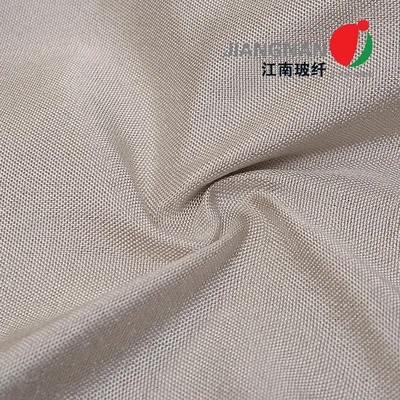
Fiberglass cloth is made by weaving fine strands of glass fibers into a flexible fabric. These fibers are created by melting glass and drawing it into thin filaments, which are then woven into various fabric styles depending on the application.
Its core properties include:
-
High resistance to heat
-
Non-combustible nature
-
Low thermal conductivity
-
Strong chemical resistance
-
Excellent mechanical strength
These features make fiberglass cloth particularly suitable for welding environments.
Why Fiberglass Cloth Is Effective for Welding Protection
1. High Temperature Tolerance
Fiberglass cloth can typically endure continuous temperatures between 500°C and 550°C, with short-term resistance to even higher heat. Unlike many synthetic materials, it does not melt or deform easily, maintaining its structure under intense conditions.
2. Flame Resistance
One of its most valuable traits is that it does not burn. Fiberglass cloth won’t drip or release toxic fumes when exposed to flames, making it ideal for fire prevention applications such as welding curtains and fire blankets.
3. Barrier Against Sparks and Molten Metal
During welding, flying sparks and molten droplets pose serious risks. Fiberglass cloth acts as a protective shield, preventing these hot particles from reaching workers or damaging nearby equipment. Coated variants offer even stronger resistance to molten metal splash.
4. Long Service Life
Its resistance to wear, corrosion, and chemicals ensures durability even in demanding industrial settings. This longevity reduces the need for frequent replacements, helping minimize downtime and maintenance costs.
5. Flexible Applications
Fiberglass cloth can be adapted into a wide range of safety solutions, including:
-
Welding blankets and curtains
-
Protective clothing layers
-
Pipe and cable insulation wraps
-
Heat shields for machinery
Its versatility allows it to be used across multiple industries and working conditions.
Common Industrial Uses
Fiberglass cloth is widely applied in various sectors:
-
Construction: Acts as temporary fire barriers to prevent accidental ignition
-
Shipbuilding: Essential in confined spaces where fire hazards are heightened
-
Automotive manufacturing: Protects sensitive components during welding
-
Energy industry: Used in high-temperature environments like power plants and wind energy systems
Manufacturing Strength: Changshu Jiangnan Fiberglass Co., Ltd.
A key player in this field is Changshu Jiangnan Fiberglass Co., Ltd., a well-established manufacturer specializing in high-temperature resistant fiberglass materials.
Founded in 1956, the company has developed into a large-scale enterprise with:
-
Over 100,000 square meters of production space
-
Advanced warp knitting and coating technologies
-
Annual output reaching 50,000 tons of fiberglass products
Its production capabilities include woven fiberglass fabrics, fire blankets, and coated fiberglass cloth, serving industries such as construction, transportation, energy, and electronics.
What distinguishes the company is its focus on innovation. Through continuous research and development, it has improved both safety materials and composite technologies to meet evolving industrial requirements.
How to Choose the Right Fiberglass Cloth
Not all fiberglass fabrics perform the same. When selecting materials for welding protection, consider:
Temperature Resistance
Ensure the material can handle the highest temperatures encountered in your welding process.
Coating Options
Coatings like silicone, polyurethane (PU), or vermiculite can enhance:
-
Heat resistance
-
Abrasion durability
-
Water repellency
Thickness and Weight
Heavier fabrics offer better protection against molten metal but may limit flexibility.
Weave Type
Plain weave fabrics are commonly used due to their balance of strength and flexibility.
Best Practices for Use
To ensure maximum safety:
-
Regularly inspect for wear or damage
-
Replace compromised materials promptly
-
Position covers to fully shield exposed areas
-
Keep materials clean and free from flammable residues
-
Store in dry, protected conditions
Proper handling significantly improves performance and safety outcomes.
Looking Ahead: The Future of Welding Safety Materials
As industrial standards evolve, fiberglass cloth continues to improve. Key trends include:
-
Enhanced coatings for greater heat resistance
-
Lighter materials for improved comfort and usability
-
Integration with advanced composites for multifunctional protection
-
More sustainable manufacturing processes
These advancements ensure fiberglass cloth remains a critical component in modern safety systems.
Conclusion
Fiberglass cloth plays a crucial role in welding safety by offering dependable protection against heat, sparks, and fire hazards. Its combination of durability, thermal resistance, and adaptability makes it indispensable across industries.
Manufacturers like Changshu Jiangnan Fiberglass Co., Ltd. demonstrate how innovation and large-scale production can meet global demand for high-performance safety materials. As welding technologies continue to advance, the importance of reliable protective solutions like fiberglass cloth will only increase.
For companies and safety professionals alike, choosing the right materials is more than a regulatory requirement—it’s a fundamental step toward protecting workers and maintaining efficient operations.
http://www.jnglassfiber.com
Changshu Jiangnan Fiberglass Co., Ltd. -
-
AuthorPosts

- You must be logged in to reply to this topic.