- This topic is empty.
-
AuthorPosts
-
15/01/2026 at 11:41 #80831
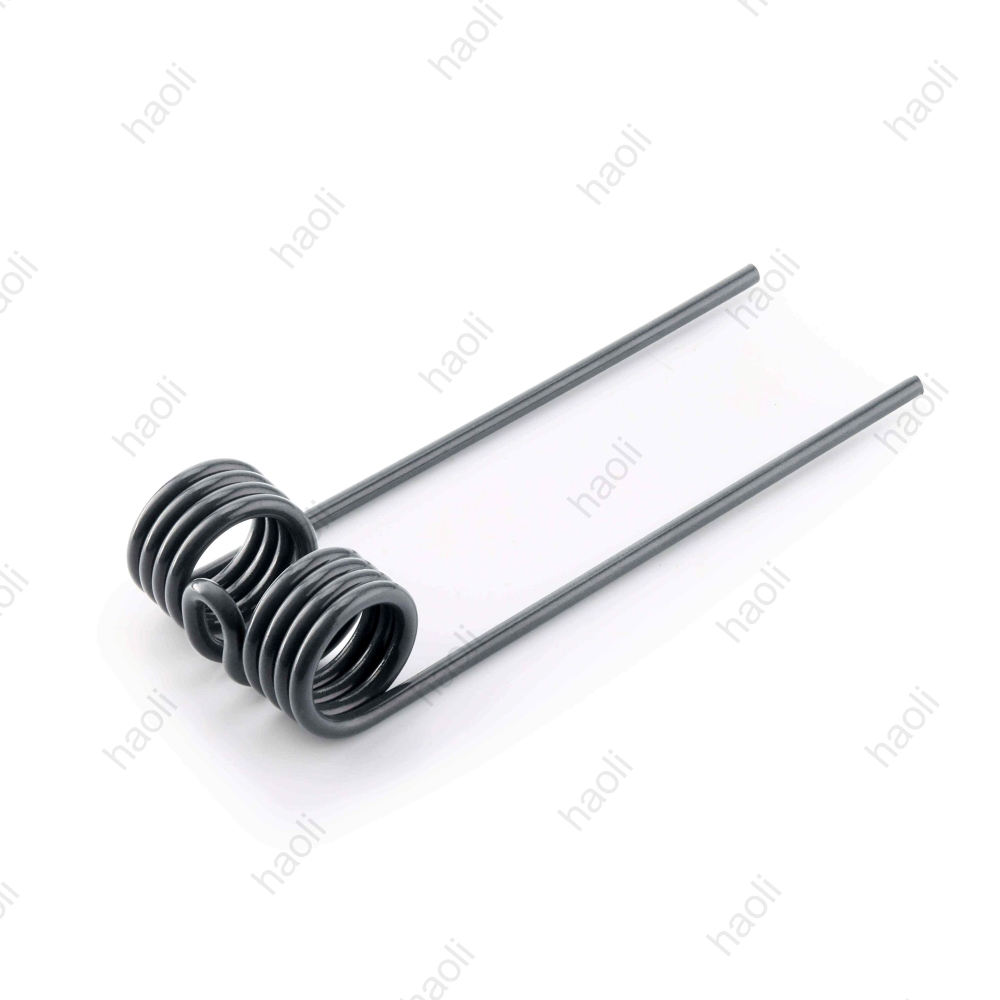
Choosing the right straw rake tines is not simply about replacing worn parts. It involves understanding material strength, tine design, field conditions, and compatibility with your equipment. Based on years of experience in manufacturing agricultural spring components, Haoli Custom Spring shares practical insights to help farmers and equipment buyers make informed decisions.
1. Understand the Function of Straw Rake Tines
Straw rake tines are responsible for lifting, combing, and guiding hay or straw into clean, uniform windrows. During operation, they are constantly subjected to:
-
Repeated bending and rebound
-
Impact with soil, stones, and crop residue
-
Moisture, dust, and chemical exposure
Because of these conditions, rake tines must balance flexibility and strength. A tine that is too soft will deform easily, while one that is too rigid may break prematurely.
2. Match Tine Design to Your Raking Application
Different crops and working conditions require different tine characteristics.
-
Hay raking typically requires smooth, consistent lifting to avoid leaf loss, especially for alfalfa and other delicate forage.
-
Straw raking after grain harvest involves heavier material and rougher field surfaces, placing higher demands on tine durability.
Key design elements to consider include tine length, diameter, coil shape (if applicable), and working angle. Properly designed tines reduce crop loss while maintaining steady material flow.
3. Pay Attention to Material Quality
Material selection directly affects the service life of straw rake tines. High-quality spring steel is essential for maintaining elastic recovery after repeated stress cycles.
Important material characteristics include:
-
High fatigue resistance
-
Uniform heat treatment
-
Corrosion resistance for outdoor use
Inferior materials may appear similar at first but often lose elasticity quickly, leading to uneven raking and frequent replacement. Choosing tines made from properly processed spring steel helps ensure stable operation throughout the harvesting season.
4. Consider Field Conditions and Terrain
Not all fields are the same. Soil type, moisture levels, and surface obstacles all influence tine wear.
-
Rocky or uneven terrain requires stronger tines with enhanced impact resistance.
-
Sandy or soft soil benefits from tines with better flexibility to prevent digging too deeply.
-
Wet conditions increase corrosion risk, making surface treatment and material quality more important.
Matching tine specifications to real field conditions reduces downtime and protects the rake assembly from secondary damage.
5. Compatibility with Rake and Harvester Equipment
Straw rake tines must fit precisely with your existing equipment. Improper fit can cause vibration, uneven wear, or mechanical stress on mounting points.
When selecting replacement tines, verify:
-
Mounting dimensions and hole positions
-
Tine curvature and working direction
-
Compatibility with specific rake or harvester models
Haoli Custom Spring specializes in producing custom and standard spring tines for various agricultural machines, ensuring accurate fit and consistent performance.
6. Evaluate Flexibility and Rebound Performance
One of the most overlooked factors in tine selection is rebound performance. During operation, tines continuously flex and return to their original shape.
Good rebound performance allows the tine to:
-
Follow ground contours smoothly
-
Minimize crop damage
-
Reduce shock loads on the rake frame
Poor rebound characteristics often lead to permanent deformation, uneven windrows, and increased stress on the entire machine.
7. Durability vs. Replacement Frequency
While all rake tines eventually wear out, choosing durable components reduces the frequency of replacement and labor costs during peak seasons.
High-quality tines offer:
-
Longer fatigue life
-
More consistent raking results
-
Lower risk of sudden breakage
For large-scale operations or contractors, durability directly impacts operational efficiency and scheduling reliability.
8. Importance of Manufacturing Consistency
Even small inconsistencies in wire diameter, heat treatment, or forming can affect tine performance. Reliable manufacturers maintain strict quality control to ensure each batch performs consistently in the field.
Haoli Custom Spring emphasizes controlled production processes to ensure uniform elasticity, strength, and dimensional accuracy across all straw rake tines.
9. Maintenance Tips to Extend Tine Life
Choosing the right tines is only part of the equation. Proper maintenance helps maximize their service life.
-
Inspect tines regularly for cracks or excessive deformation
-
Replace damaged tines promptly to avoid uneven loading
-
Clean off accumulated debris after operation
-
Store equipment properly during off-season periods
Preventive maintenance reduces unexpected failures and protects other rake components.
10. Think Long-Term When Selecting Tines
Rather than choosing based solely on immediate replacement needs, consider long-term performance and compatibility with future equipment upgrades.
Reliable straw rake tines contribute to:
-
Higher-quality windrows
-
Reduced machine downtime
-
More efficient harvesting operations
Working with an experienced spring manufacturer allows you to select or customize tines that align with your specific agricultural requirements.
Conclusion
Straw rake tines may seem like minor components, but they play a vital role in hay and straw raking efficiency. Choosing the right tines requires careful consideration of material quality, design, field conditions, and equipment compatibility.
By selecting well-engineered spring tines and maintaining them properly, farmers and equipment operators can improve raking consistency, reduce wear, and achieve smoother harvesting operations. Haoli Custom Spring remains committed to providing durable, application-focused spring tines for agricultural machinery worldwide.
http://www.haolicustomsprings.com
Haoli Custom Spring -
-
AuthorPosts

- You must be logged in to reply to this topic.